Designing products that adapt to people.
Not the other way around.
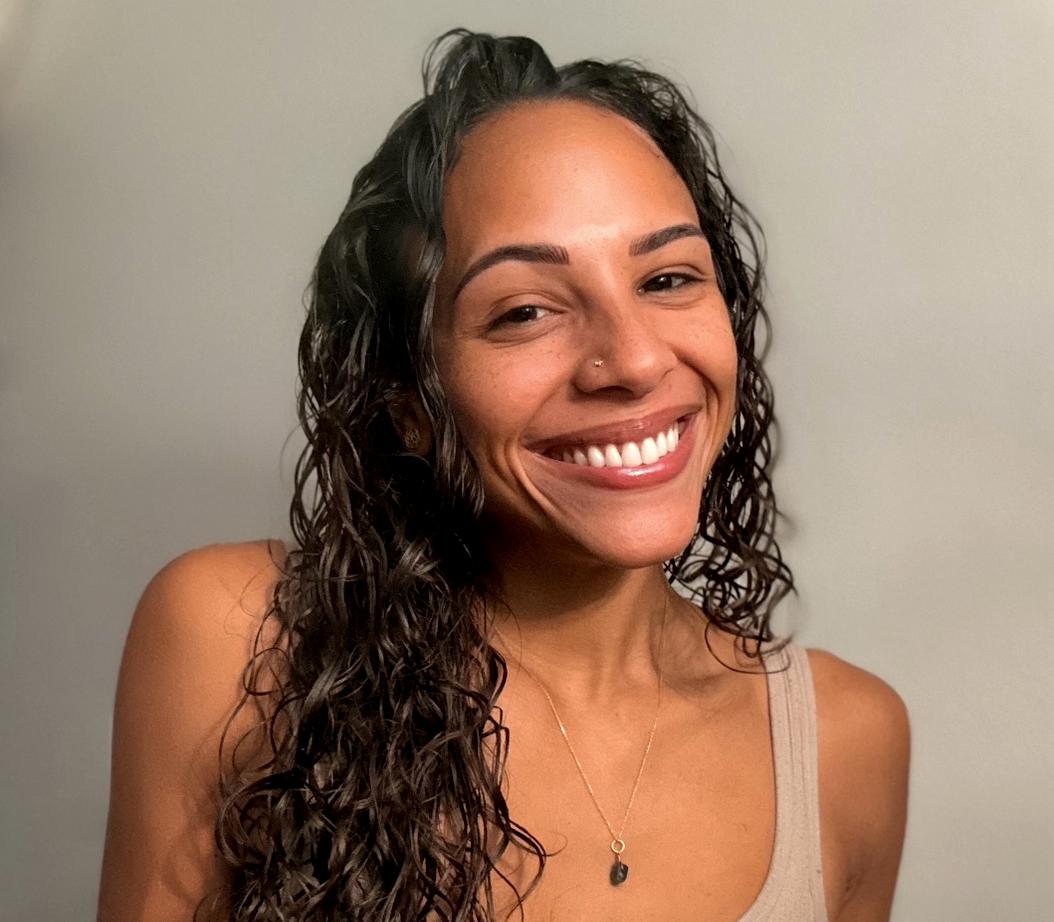
I create digital experiences that reduce cognitive load and help people navigate complex moments with clarity and confidence.

Explore Work
↓
ARC
A language learning experience that measures real-world capability instead of daily streaks.
Key idea: Capability over consistency.
.png)
Clarity First
Designing an orientation-first application experience that reduces uncertainty before high-stakes decisions.
Key idea: Prepare people before asking them to act.
.png)
Anchor
Designing adaptive interactions that reduce cognitive load before asking users to act.
Key idea: Support users before expecting action.
.png)
Design Framework
Designing for real human conditions, not ideal ones.
Most digital experiences assume users are stable, focused, and ready to act.
But people interact with products while overwhelmed, distracted, uncertain, or under pressure.
My approach focuses on understanding human context first. Then designing systems that restore clarity, reduce unnecessary effort, and support confident action.
But people interact with products while overwhelmed, distracted, uncertain, or under pressure.
My approach focuses on understanding human context first. Then designing systems that restore clarity, reduce unnecessary effort, and support confident action.
01. Stabilize
Reduce cognitive friction and overwhelm.
02. Orient
Create clarity through structure and sequencing.
03. Enable
Support confident action while preserving autonomy.
Human behavior
Understand what people need before asking them to act.
Cognitive load
Reduce unnecessary effort so attention can go toward meaningful decisions.
Adaptive systems
Create interfaces that respond to context without taking control away from people.
.png)